

Where Earth Meets Heaven
The Himalayan region stretches across the heart of Asia, extending thousands of kilometers from west to east and linking the Indian subcontinent, the Tibetan Plateau, and Central Asia. Beyond being one of the world’s highest mountain ranges, it has long served as a vital crossroads for human civilization—a place where cultures met, beliefs took root, and art flourished.
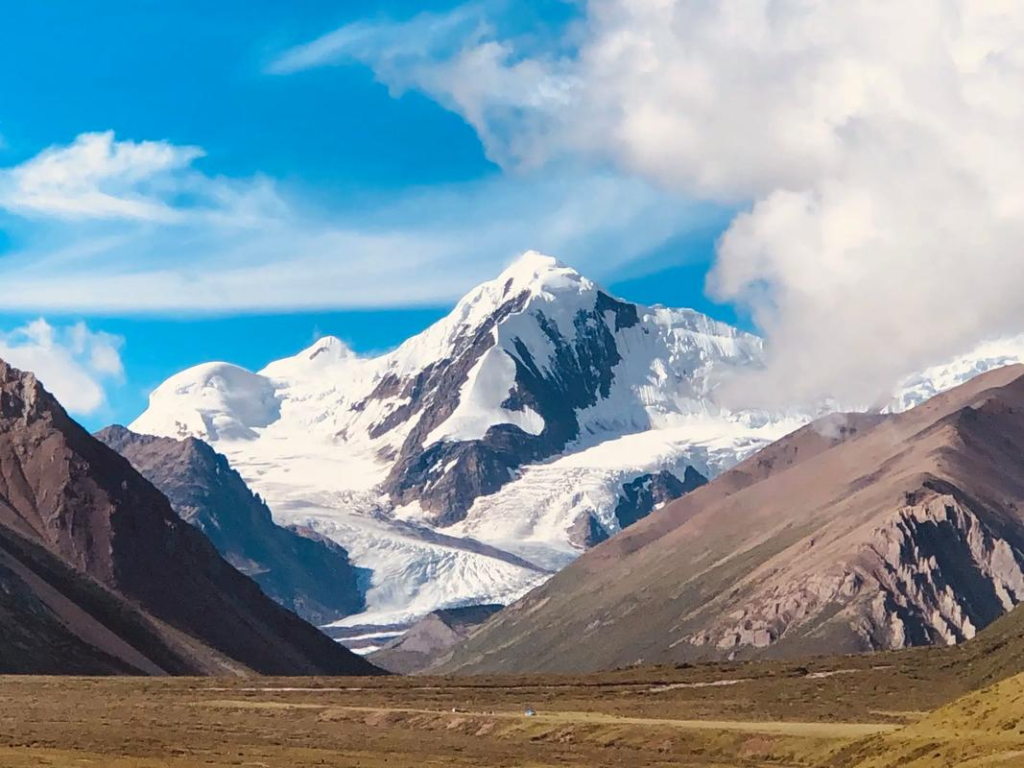
Archaeological evidence suggests that human activity in the Himalayas dates back to prehistoric times. In response to the region’s harsh natural conditions, highland communities developed distinctive ways of life: nomadic traditions shaped by grasslands and water sources, seasonal rhythms attuned to nature, and a profound reverence for mountains, lakes, and the natural world. This philosophy of coexistence with nature became the spiritual foundation of Himalayan culture.
The Civilization Rises
Around the 7th century CE, the rise of the Tibetan Empire marked a pivotal moment in the region’s history. Along ancient trade and pilgrimage routes, influences from India, Nepal, and the Chinese heartland flowed steadily into the Himalayas. Buddhism took deep root during this period, merging with indigenous beliefs and gradually evolving into what is now known as Tibetan Buddhism. Its influence extended far beyond religion, shaping social structures, artistic expression, and everyday life throughout the region.
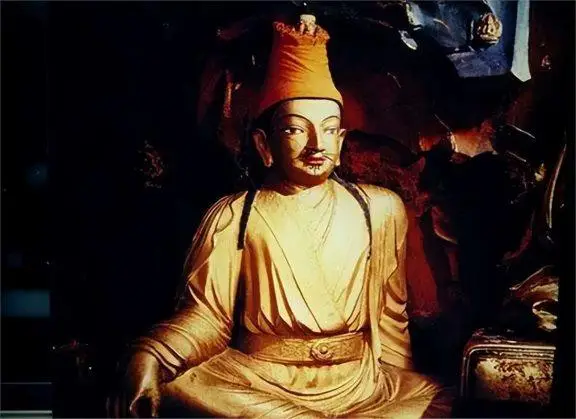
Over centuries, the Himalayan world gave rise to highly refined religious art and artisanal traditions. Thangka painting, metal sculpture, wood and stone carving, textile arts, and jewelry making are not merely decorative practices; they embody prayers, spiritual aspirations, and meditative discipline. Many of these crafts have been passed down through families or monastic lineages, governed by strict iconographic systems, proportions, and rituals that reflect a deep respect for tradition and the spiritual order.
Fusion and Flourishing
At the same time, Himalayan culture has never been isolated or static. As a natural corridor connecting South Asia, Central Asia, and East Asia, the region has long embraced cultural exchange and diversity. Its languages, attire, architectural styles, and ceremonial practices reveal a rich, layered, and inclusive cultural landscape.
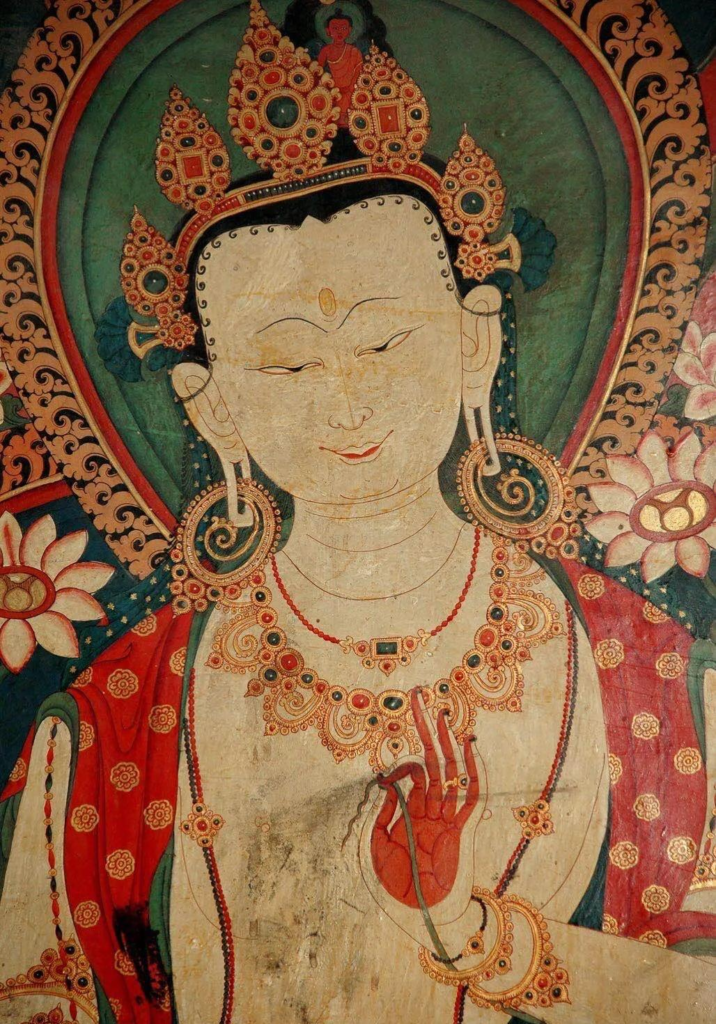
Today, the Himalayas continue to hold a profound historical memory. Snow-capped peaks, sacred lakes, prayer flags, and monasteries are not merely elements of scenery, but extensions of the spiritual lives of the people who inhabit this land. In an era of rapid modernization, the values embedded in Himalayan culture—restraint, focus, and inner order—offer a quiet yet enduring source of inspiration for contemporary life.