

In today’s fast-paced world, many people struggle to find moments of quiet and mental clarity. Meditation has become one of the most trusted practices for restoring balance, and among the many tools used in meditation, the singing bowl has gained growing attention around the world.
For centuries, Tibetan singing bowls have been used in Himalayan spiritual traditions as instruments for meditation, mindfulness, and sound healing. The deep, resonant tones produced by the bowl create vibrations that many people find calming, grounding, and restorative.
Listening to a singing bowl is more than simply hearing a sound — it is an experience that encourages the mind to slow down and reconnect with the present moment.
What Is a Singing Bowl?
A singing bowl is a metal bowl traditionally handcrafted in Himalayan regions such as Tibet and Nepal. When struck or played with a wooden mallet, the bowl produces a rich, sustained tone that can last for several seconds.
Unlike many musical instruments, the singing bowl is not designed for melody or rhythm. Instead, its purpose is to create vibrational sound waves that support meditation and mindfulness practices.
The sound of the bowl typically contains multiple harmonic frequencies, which is why it often feels expansive and immersive when heard in a quiet space.
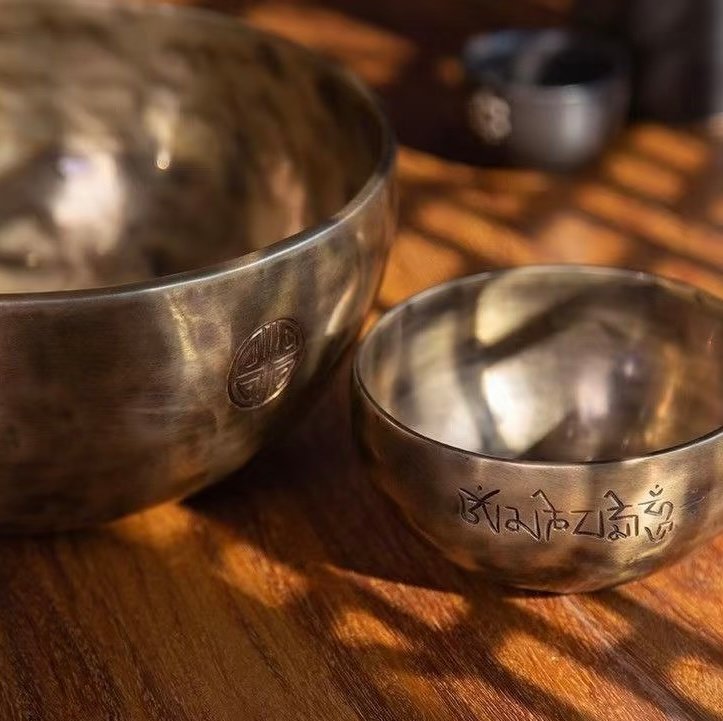
Many practitioners use the bowl to:
• begin or end a meditation session
• deepen mindfulness practice
• support relaxation and emotional balance
• create a peaceful environment for reflection
The Healing Power of Sound
One of the main reasons people listen to a singing bowl is its connection to sound healing.
Sound healing is based on the understanding that vibration can influence the body and mind. Every sound carries a frequency, and when we are exposed to harmonious vibrations, our nervous system often responds by relaxing.
The long, sustained tone of a Tibetan singing bowl creates a gentle acoustic environment that encourages the mind to settle.

Many meditation practitioners report that listening to a singing bowl helps them:
• reduce stress and mental tension
• slow down racing thoughts
• feel more grounded and centered
• enter a deeper meditative state
Some wellness practitioners also use singing bowls in yoga classes, meditation sessions, and relaxation therapy because of their calming atmosphere.
How a Singing Bowl Supports Meditation
Meditation often begins with a simple challenge: the mind rarely stays still.
Thoughts, worries, and distractions constantly arise, making it difficult to focus on the present moment. This is where the sound of a singing bowl can be particularly helpful.
Instead of focusing on breath alone, the listener can place attention on the vibration and resonance of the bowl.
As the sound gradually fades, the mind naturally follows it into stillness.
This makes singing bowls especially helpful for beginners who may find silent meditation difficult at first.
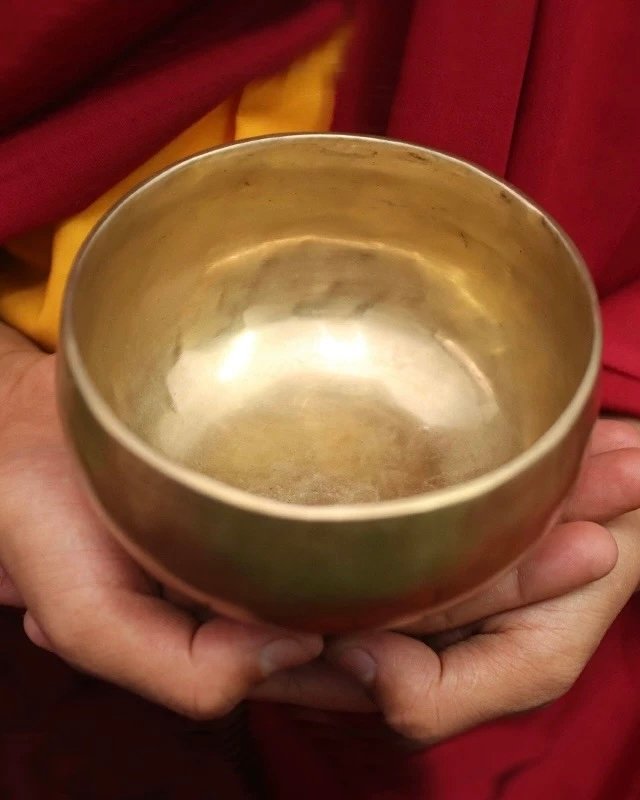
A simple meditation practice with a singing bowl might look like this:
1. Sit comfortably in a quiet space
2. Strike the bowl gently with a mallet
3. Focus your attention on the sound and vibration
4. Allow your breath to slow naturally
5. Observe the fading tone until silence returns
Even just a few minutes of listening can create a noticeable sense of calm.
Singing Bowl and Mindfulness
Mindfulness is the practice of bringing awareness to the present moment without judgment. The sound of a singing bowl naturally encourages this state of awareness.
Because the tone is continuous and gradually fading, it invites the listener to stay present and attentive.
Many meditation teachers use singing bowls to signal transitions during mindfulness sessions — for example, marking the beginning and end of silent meditation.
The sound acts as a gentle reminder to pause, breathe, and return to awareness.
Over time, this simple ritual can help cultivate a deeper sense of inner balance.

Creating a Calm Space with a Sing Bowl
Another reason people listen to singing bowls is the atmosphere they create.
The resonance of a singing bowl can transform a room into a peaceful environment. This is why they are often used in:
• meditation spaces
• yoga studios
• mindfulness workshops
• wellness retreats
• home relaxation rituals
Lighting a candle, sitting quietly, and playing a singing bowl can become a small daily practice of stillness.
In a world full of digital noise and constant stimulation, these quiet moments of intentional listening can feel deeply restorative.
Bringing the Practice of a Singing Bowl Into Your Life
You do not need extensive training to benefit from the sound of a singing bowl.
Many people simply keep a bowl in their home as a reminder to pause during the day. A single tone can help mark a moment of reflection, gratitude, or mindful breathing.
Listening to a singing bowl for even a few minutes can gently reset the mind and body.
At Yamzho, we believe that traditional Himalayan objects carry not only craftsmanship but also cultural meaning. Singing bowls represent centuries of spiritual practice centered on awareness, balance, and harmony.
Their sound reminds us that sometimes the most powerful form of meditation begins with something very simple: listening.
Frequently Asked Questions About Singing Bowl
What are the benefits of listening to a singing bowl?
Listening to a singing bowl may help promote relaxation, reduce stress, and support meditation practice. Many people find that the sound encourages mindfulness and creates a calm mental state.
Can singing bowls help with meditation?
Yes. Singing bowls are commonly used to support meditation because their sustained tones provide a natural focal point for attention, making it easier to stay present.
How long should you listen to a singing bowl?
Even a few minutes can be beneficial. Many meditation sessions begin or end with a single strike of the bowl, allowing the listener to follow the sound until it fades into silence.
Do you need experience to use a singing bowl?
No. Singing bowls are simple instruments that anyone can use. Beginners often start by gently striking the bowl and listening to the resonance during quiet moments.
Conclusion
The practice of listening to a singing bowl is rooted in ancient Himalayan traditions, yet its relevance continues to grow in modern life.
Through sound, vibration, and mindful listening, singing bowls offer a simple pathway back to calm awareness.
In the quiet resonance of the bowl, we rediscover something that modern life often takes away — the space to breathe, listen, and simply be present.